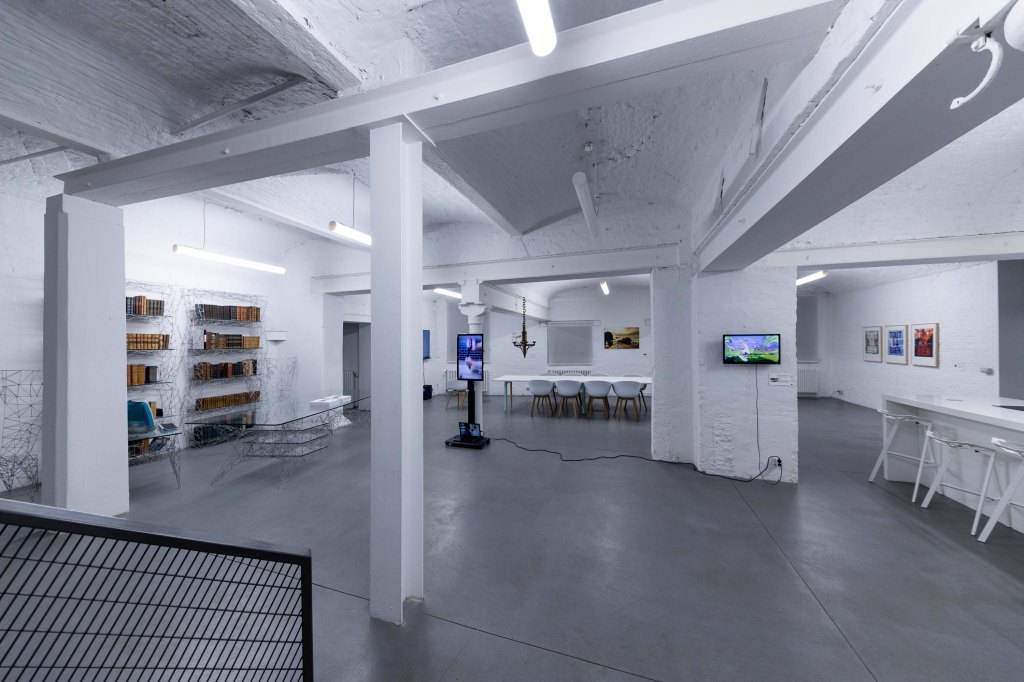
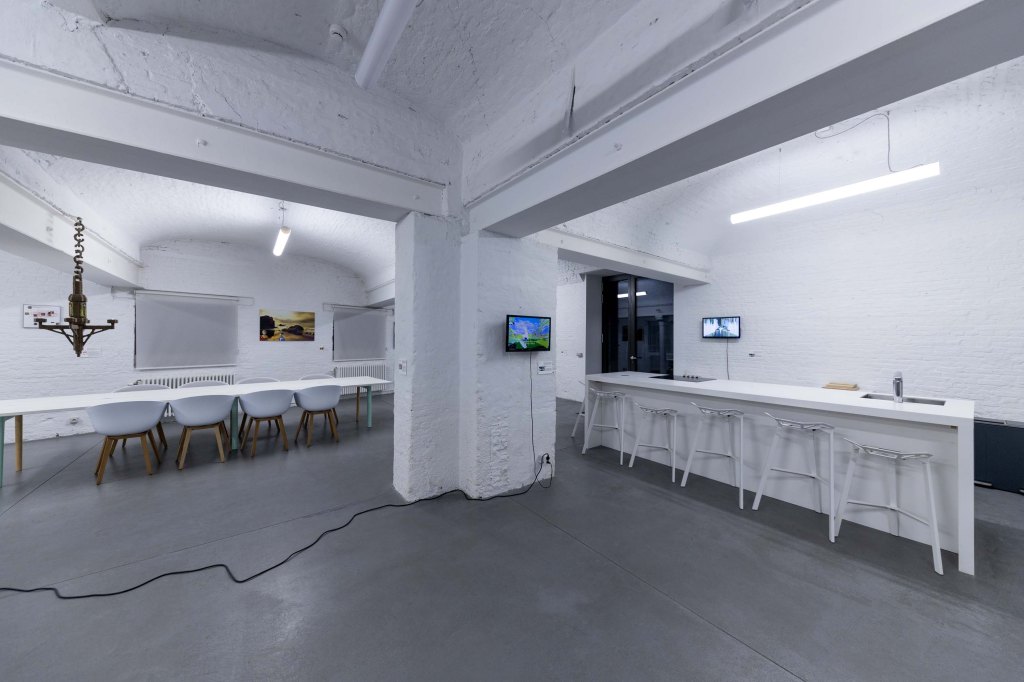
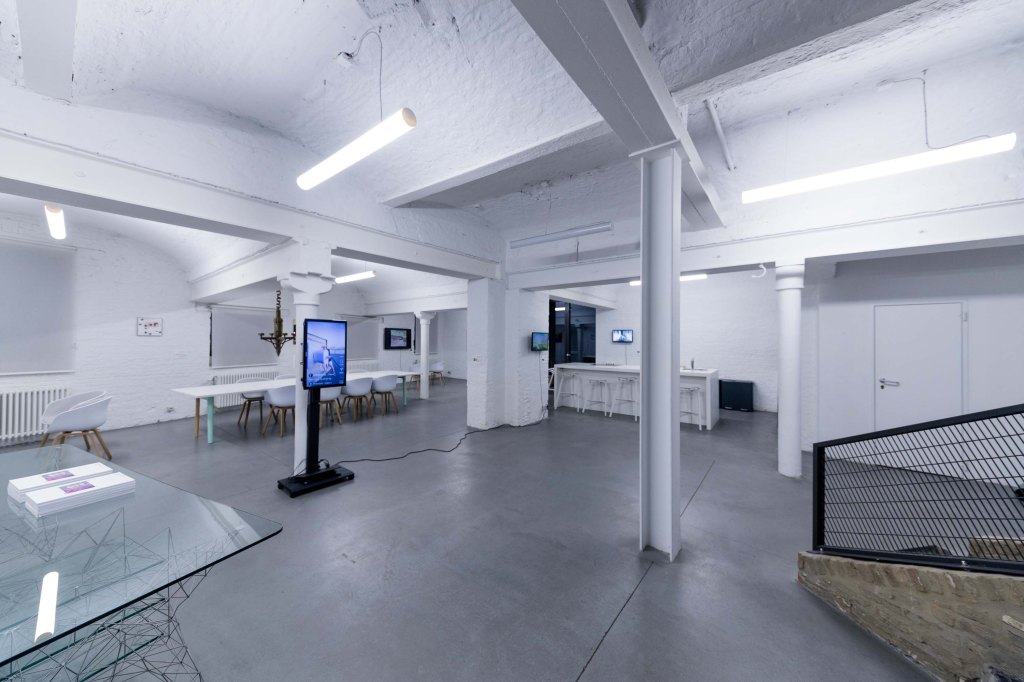
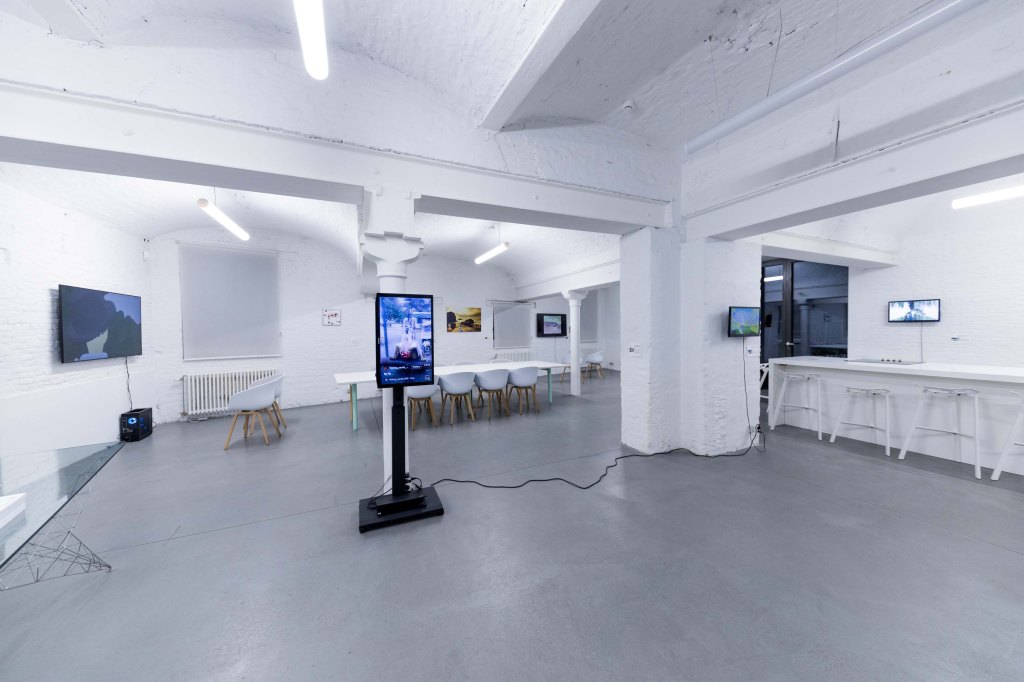







Waiting For The Light
Curated by Bob Bicknell-Knight
Cory Arcangel, Jimmy Baker, Michael Bell-Smith, Bob Bicknell-Knight, Jacob Ciocci, Alexander R. Galloway w/ Radical Software Group, Ben Grosser, Mike Kelley, Barbara Kruger, Keiu Maasik, Maya Man, Cezar Mocan, Antoni Muntadas, Motohiko Odani, Johannes P. Osterhoff, Dirk Paesmans, Dunne & Raby, Molly Soda, Subnet, Sputniko!, Nora Turato, El Último Grito, Ultralab and Angela Washko
23rd April – 3rd May 2026
[Senne], rue de la Senne 19, Brussels, BE
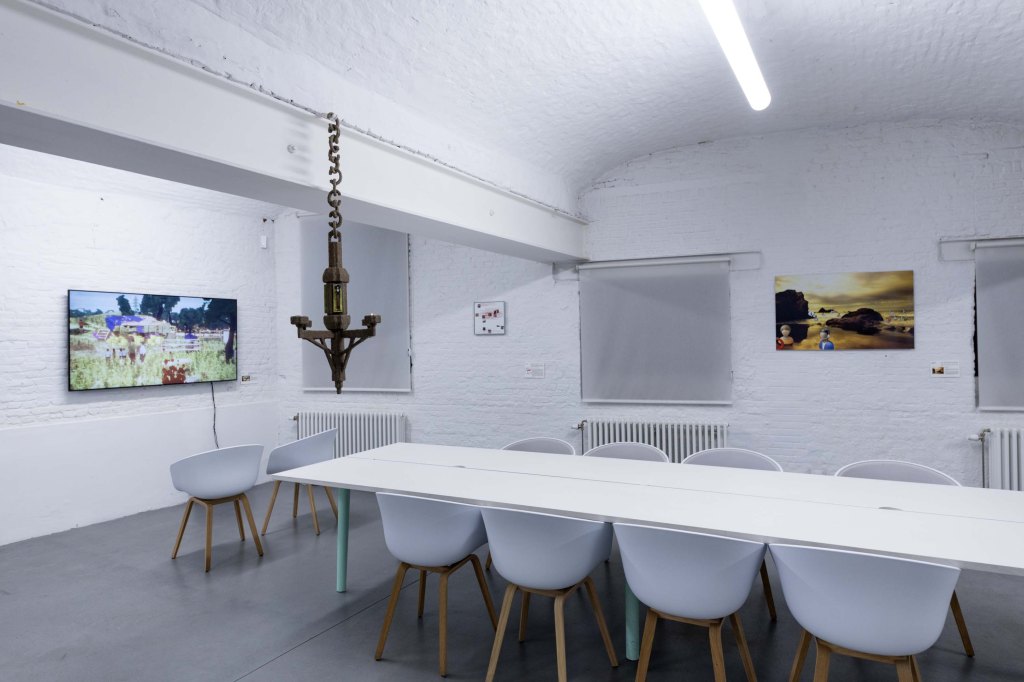
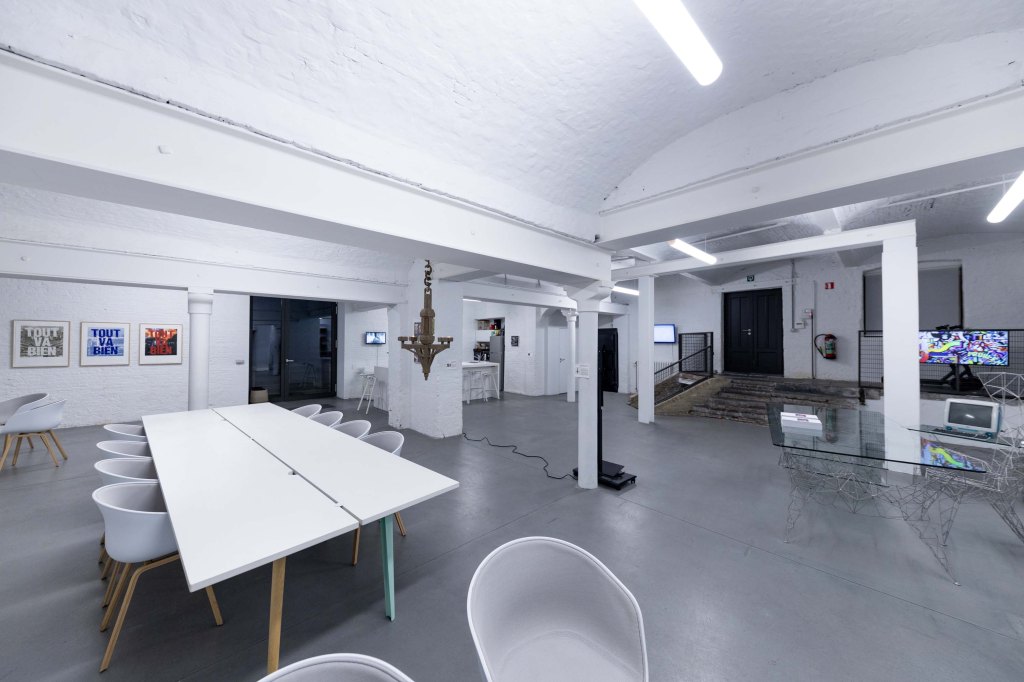
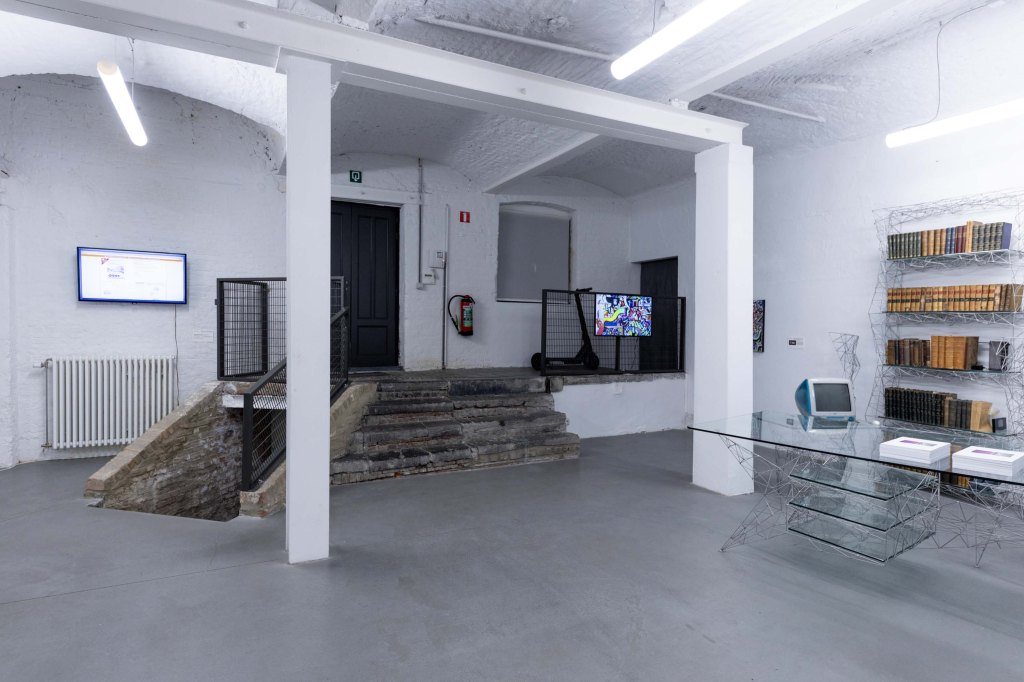
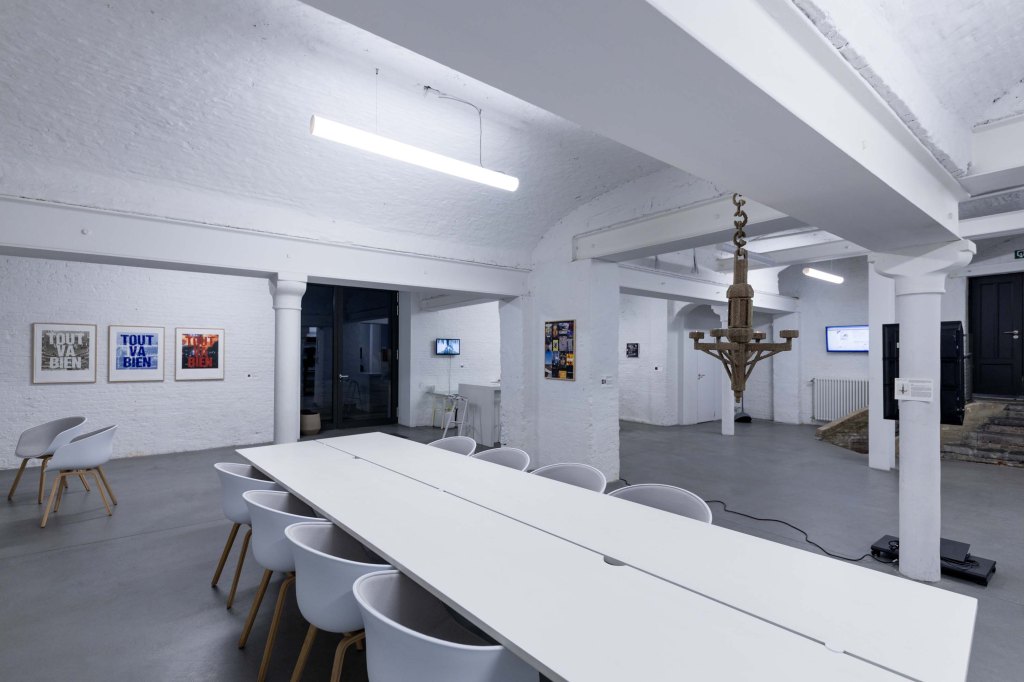
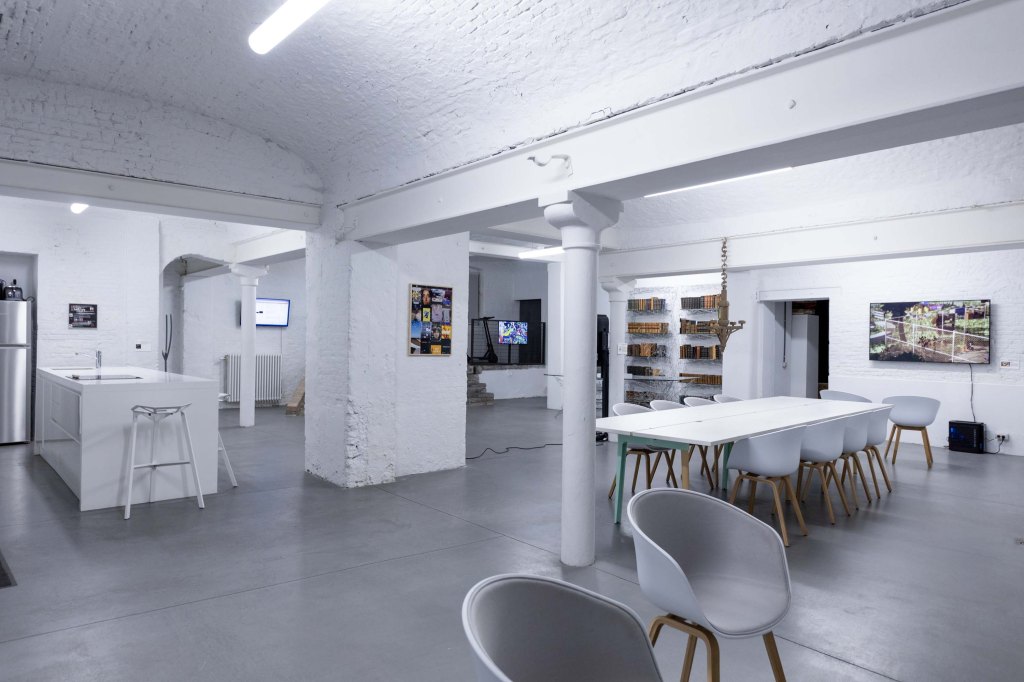
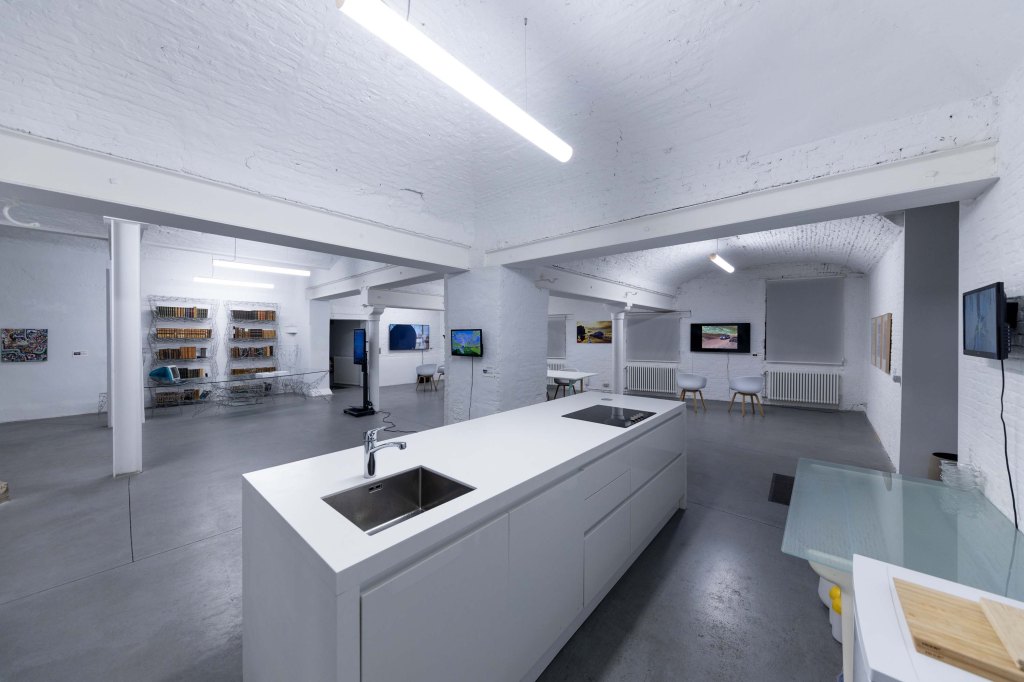
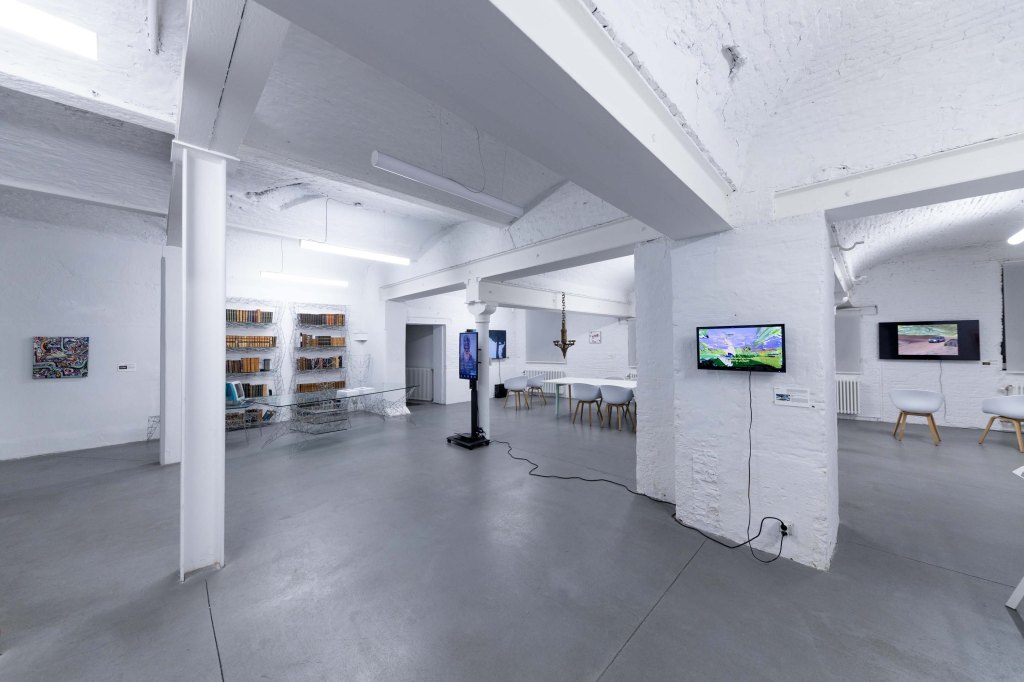
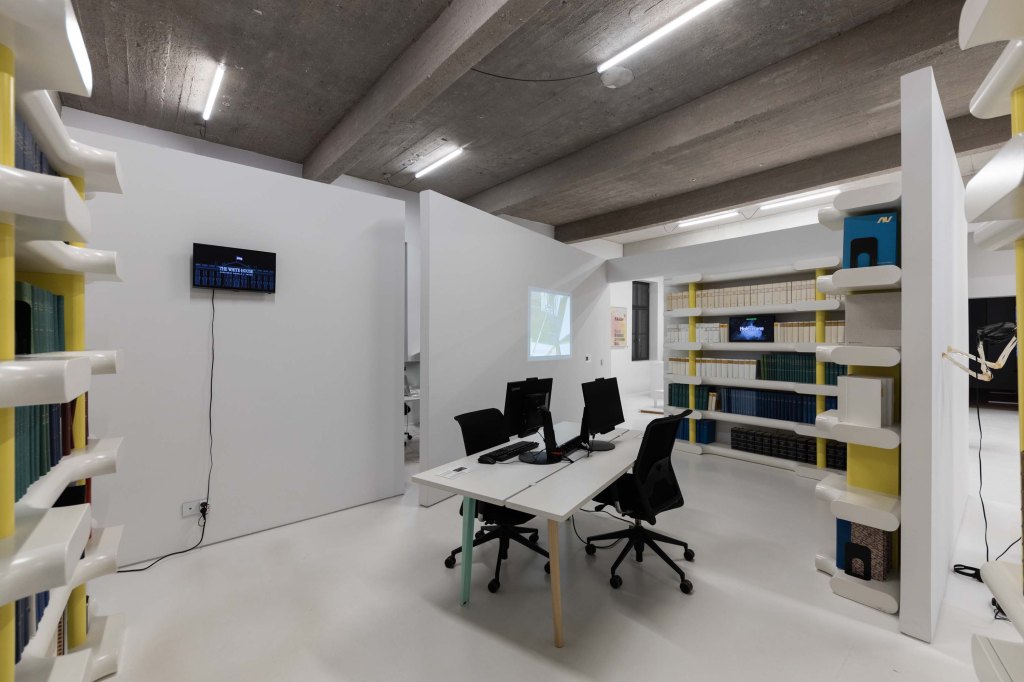
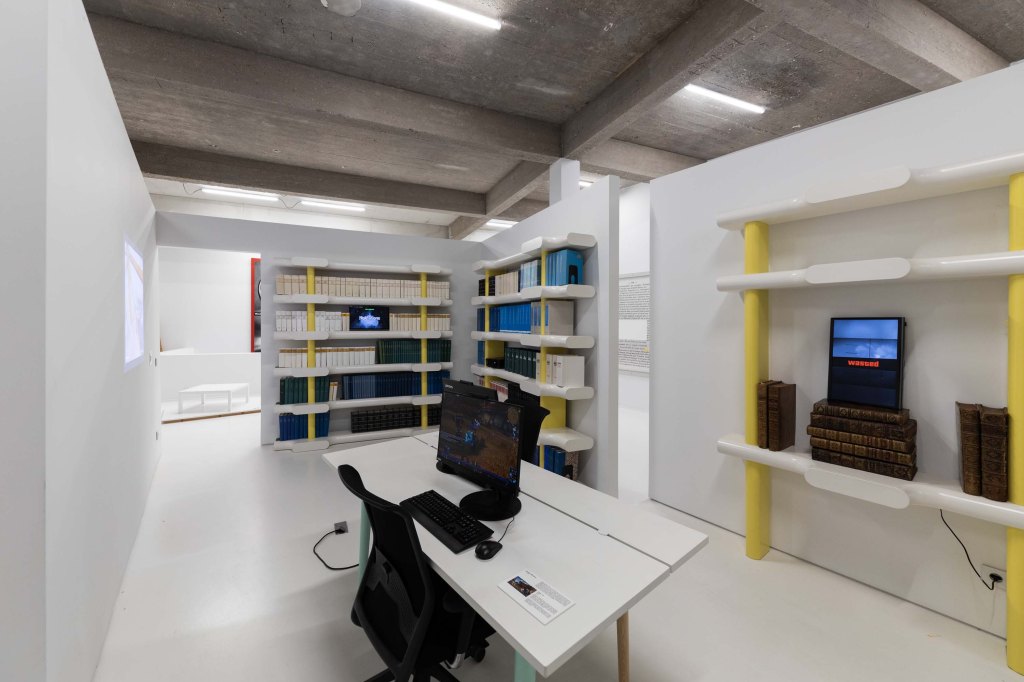
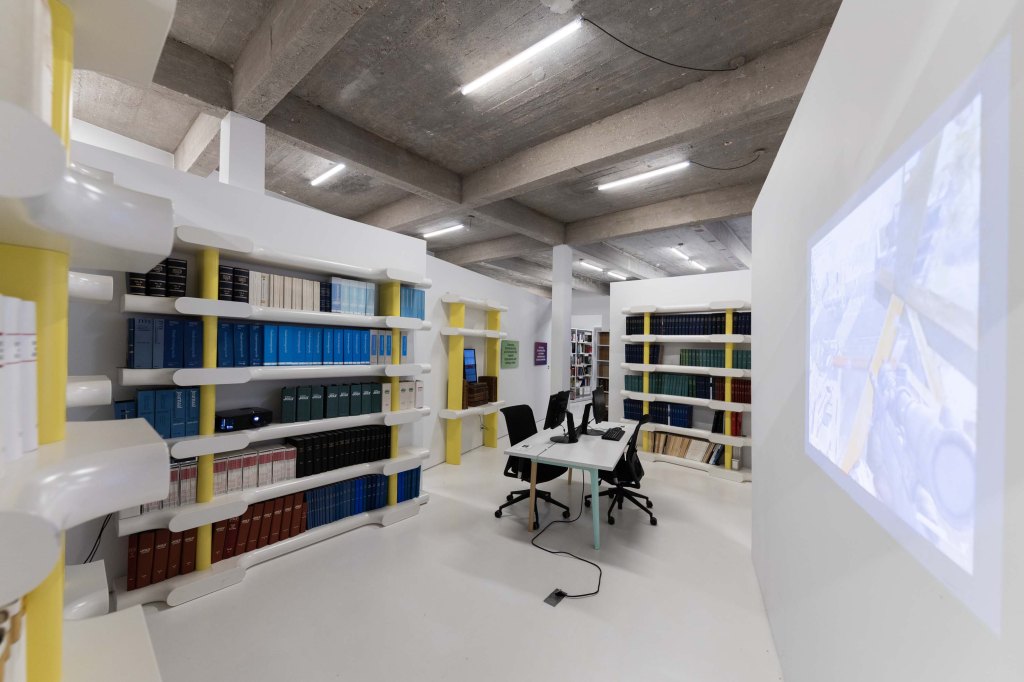
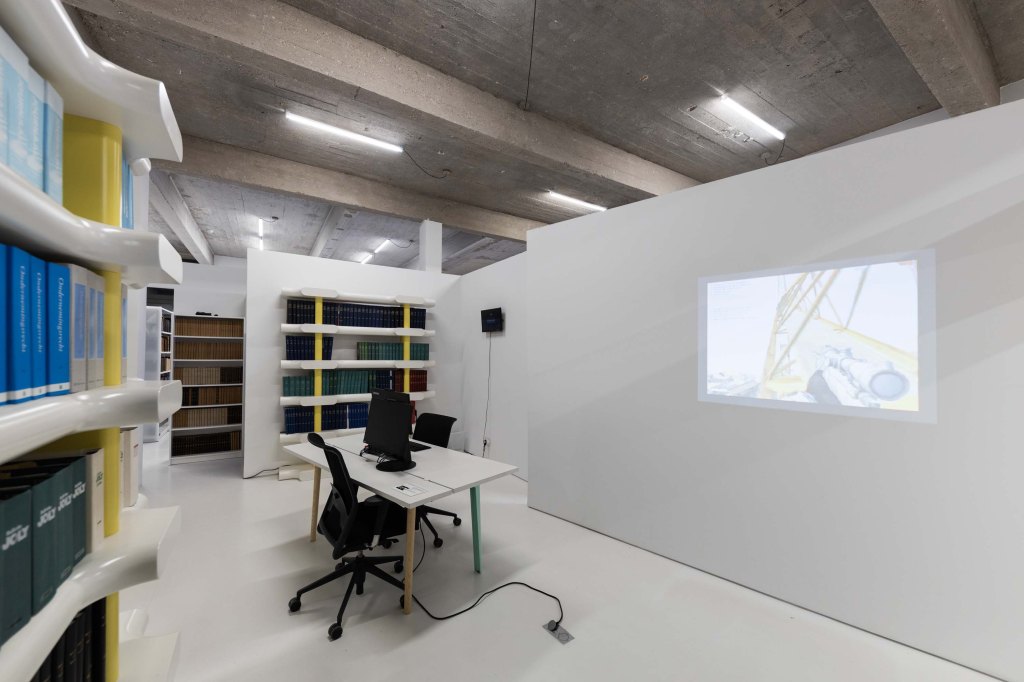
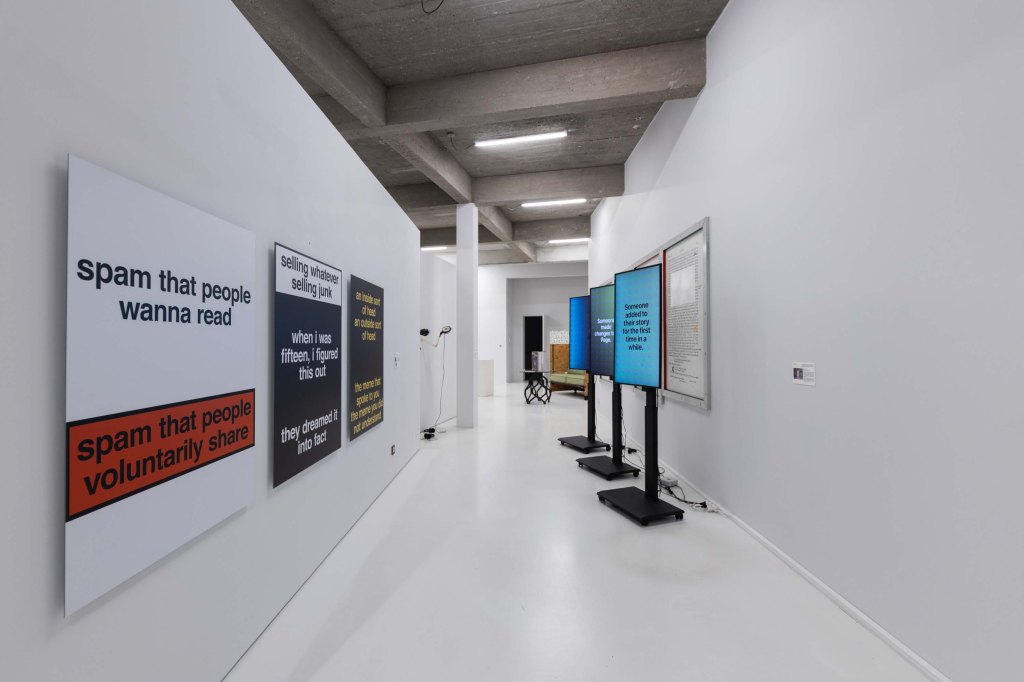
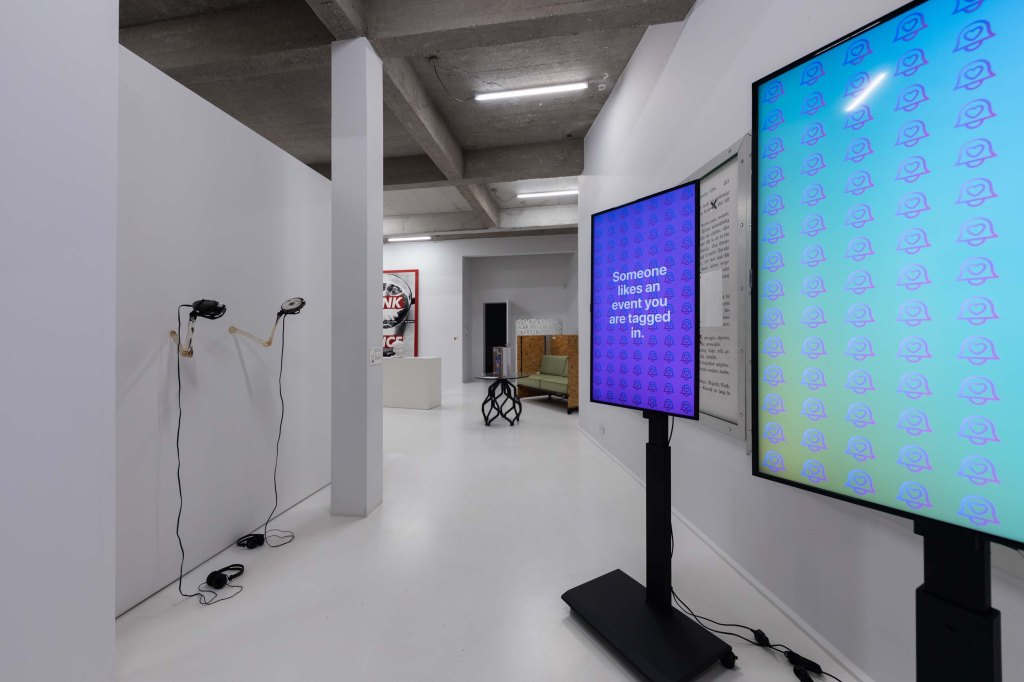
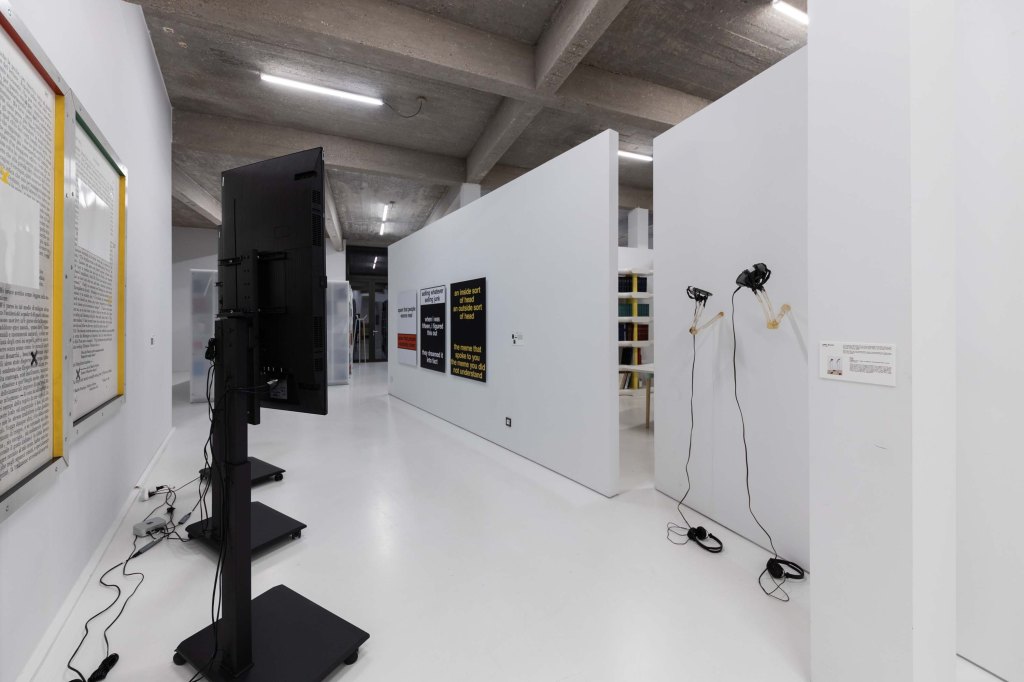
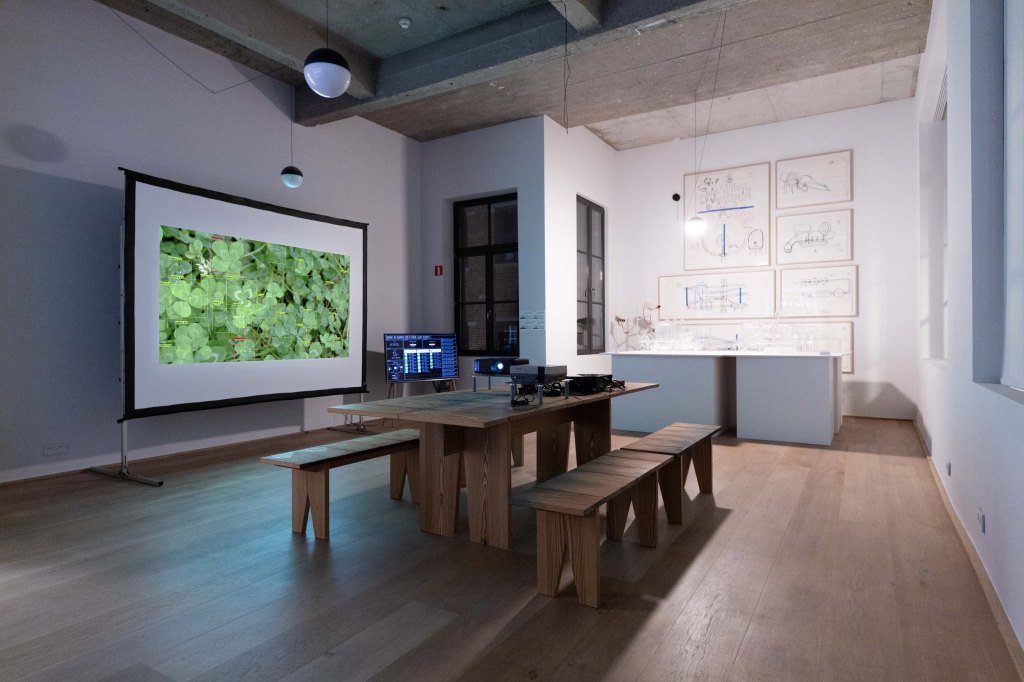
Waiting For The Light reflects on the various anxieties and worries that collectively surround us on a daily basis, with works offering potential, or pessimistic, solutions. The exhibition focuses on a range of themes, from the extremes of digital worlds and the distortions of online temporality to questions surrounding authorship, control and what might be responsible for this escalating sense of global unease.
-/-
“You are a very human human. You create things, and you destroy more than you create”¹
For many years I have been anxious. Anxious about ageing and the climate quietly collapsing. Anxious about money, or lack thereof, and how to fund my personal future. Anxious about the multitude of wars currently occurring around the world. These anxieties, spread across micro and macro levels, are continuously swirling around my head on a daily basis, as I’m sure they are in many others. I utilise these concerns to produce artworks and exhibitions that have the potential to wallow in worry, occasionally reaching above the parapet to point towards what, or who, might be responsible for my ongoing predicament.
It made sense to me, then, when Thierry Tilquin invited me to work with him again, now for the third time since 2021, on an exhibition, which he described, would explore “all the miseries of the world”. Although this is, of course, an impossible task, I feel that failure to deliver on such a prompt is perhaps representative of such an ambiguous statement.
To quell, or perhaps fuel, my aforementioned concerns, I have been trying to educate myself about our precarious present. I read The Uninhabitable Earth: Life After Warming (2019) by David Wallace-Wells, On Fire (2019) by Naomi Klein and How to Blow Up a Pipeline (2021) by Andreas Malm. All of which go into detail about how broken our planet’s climate appears to be, as well as offering up morsels of hope, mainly through the form of the potential for change through increasingly aggressive and much-needed forms of protest. These moments, albeit motivating, sadly don’t do much to inspire me regarding our collective future. To rise up as one, collectively overthrowing those that hold power, feels like the ending to a fantastical fable. I have no doubt that, as time moves forwards, I will continue to read more up to date material which will become increasingly alarmed and distressed by our current predicament, pleading with readers to act. One is tempted to ask, “at what point do we escalate?”²
Instead of being trapped in the present, then, I decided to seek refuge in an imagined future, and went onto read Under the Eye of the Big Bird (2015) by Hiromi Kawakami. Set many thousands of years in the future, within the book humanity is on the verge of extinction. The Earth is populated by a variety of small, disconnected communities, each one adapting, and in turn evolving, in various ways to try to survive their harsh realities. A smaller, far less global, way of living is portrayed within the book, with time being far less of a concern to these new human beings. They are far more homogeneous than our current selves, almost unrecognisable, akin to The Huddle, a mass of combined human flesh and organs, that you eventually play as in Playdead’s video game Inside (2016).
I find solace and escape, as many do, within these forms of magical thinking. It’s one of the reasons why I have been interested in, and making work about, video games for some time. Harkening back to a period in my life when I was privileged enough not to have to worry about the future and everything it encompasses, reflecting on the nostalgia of childhood. Kawakami, in her book, seems to be exploring a similar form of nostalgia, but for a future instead of the past, that is not plagued by anxiety, but constantly moving and occurring. Spread over thousands of years, Under the Eye of the Big Bird forces me to think about mortality in a more abstract, less solipsistic, manner.
This way of being, embedded within the past, is, of course, detrimental for thinking about ways of combating the present, yet simultaneously sometimes functions as a necessary balm against such concerns.
The idea of time and what it means has been present in my practice for over a decade, with new technologies, and their creators, being an ever-present antagonist. I have previously made work about the billionaires that seem to carelessly shape our day to day lives, as well as the warehouse workers that bear the brunt of such carelessness. At what point in a given day am I able to simply relax, to stop thinking about my work, or how the world will eventually end? When is it okay to take a break from this constant downward spiral? Jonathan Crary’s seminal book 24/7: Late Capitalism and the Ends of Sleep (2013) continues to be relevant in this respect, exploring how our ability to have access to everything and anything at a moment’s notice has erased any semblance of friction between work and rest, or work and play, with sleep being the ultimate escape. Jenny Odell’s How to Do Nothing: Resisting the Attention Economy (2019) echoes Crary’s initial insights, demanding that we reflect upon why we must always be in a state of flux, and hopes to give those, like myself, permission to pause.
Many of these aforementioned ideas, worries and reflections appear throughout Waiting For The Light, an exhibition that, as Thierry initially mentioned, is about misery. Yet, mixed up in the misery, the muck, the variable shades of grey, there are potential futures and light-filled corridors, making for thought-provoking juxtapositions.
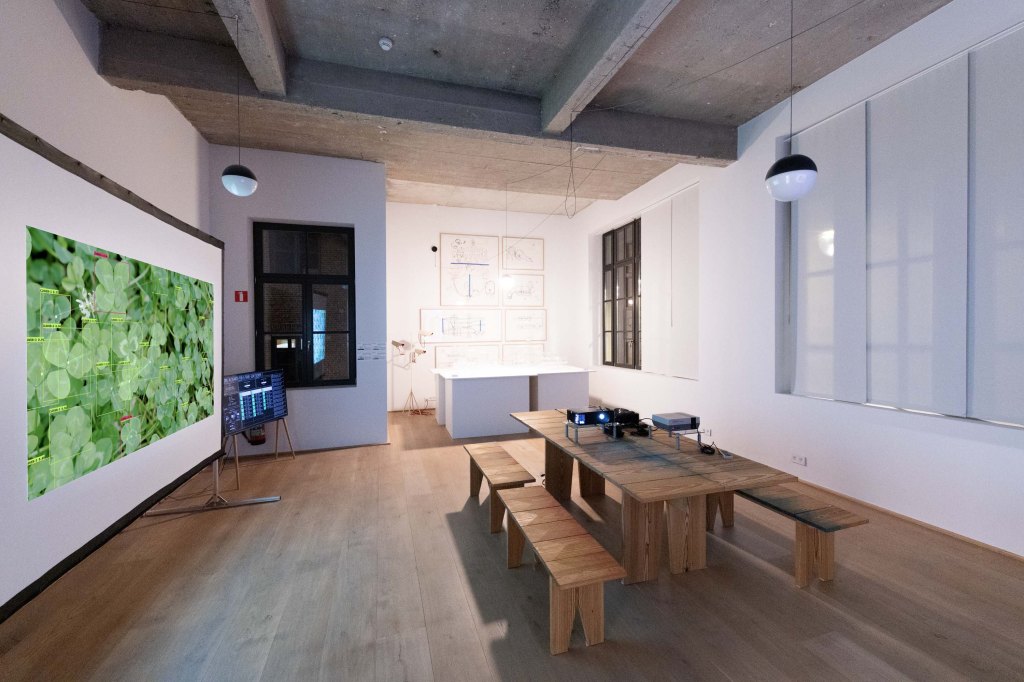
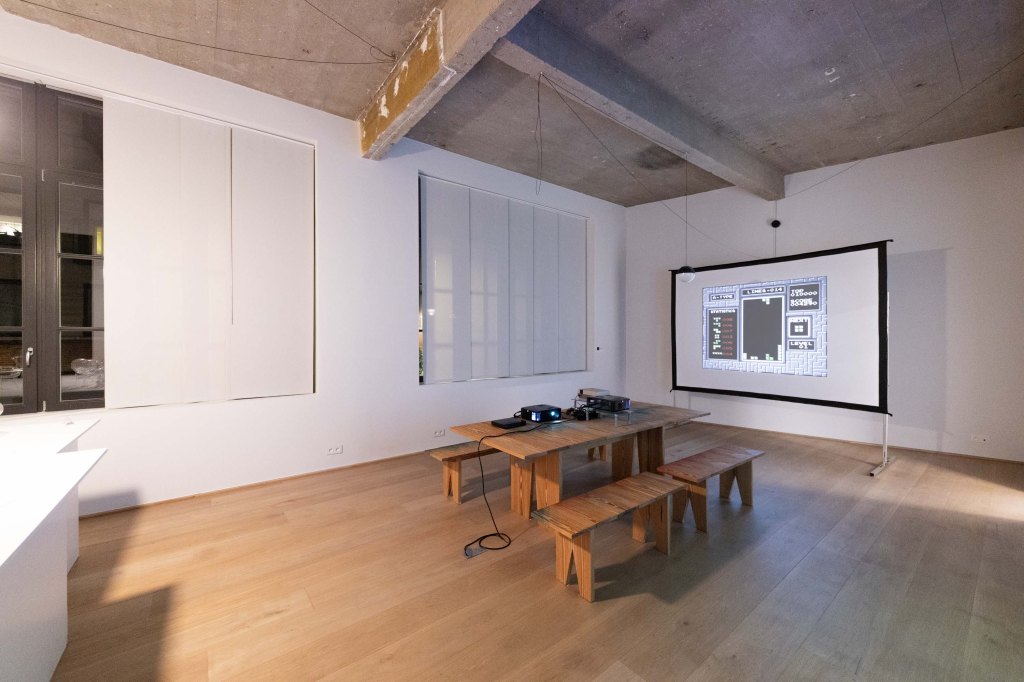
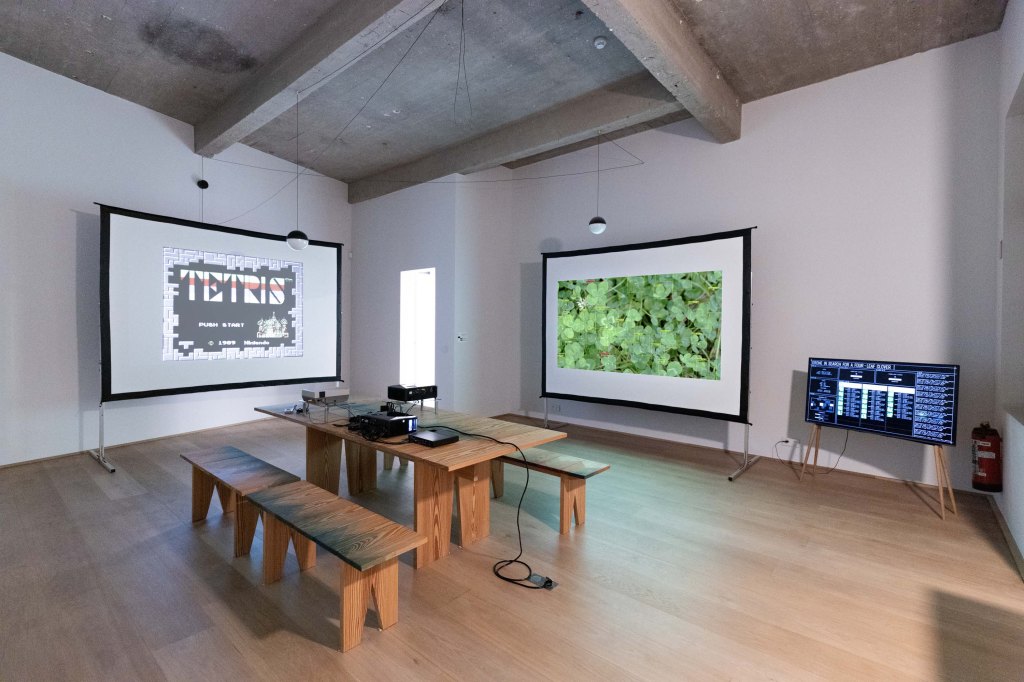
Early in the exhibition one encounters the interactive experience Super Slow Tetris (2004) by Cory Arcangel, where the artist hacked an early Nintendo games console, slowing down the eponymous Tetris to a crawl. So much so that it requires around eight hours of playtime to complete the gameplay loop. The wait is agonising, excruciatingly so when experienced in 2026, although when viewed through the lens of Odell and Crary, this slowdown becomes an act of resistance.
In Game Time: Understanding Temporality in Video Games (2018), Christopher Hanson analyses how time in games can be manipulated in various ways, and what effect game time might be having on people’s perceptions of the world around them. Arcangel’s hack illustrates how time within video games is inherently malleable, to be stretched and distorted, as video games themselves are pieces of software to be poked, prodded and played.
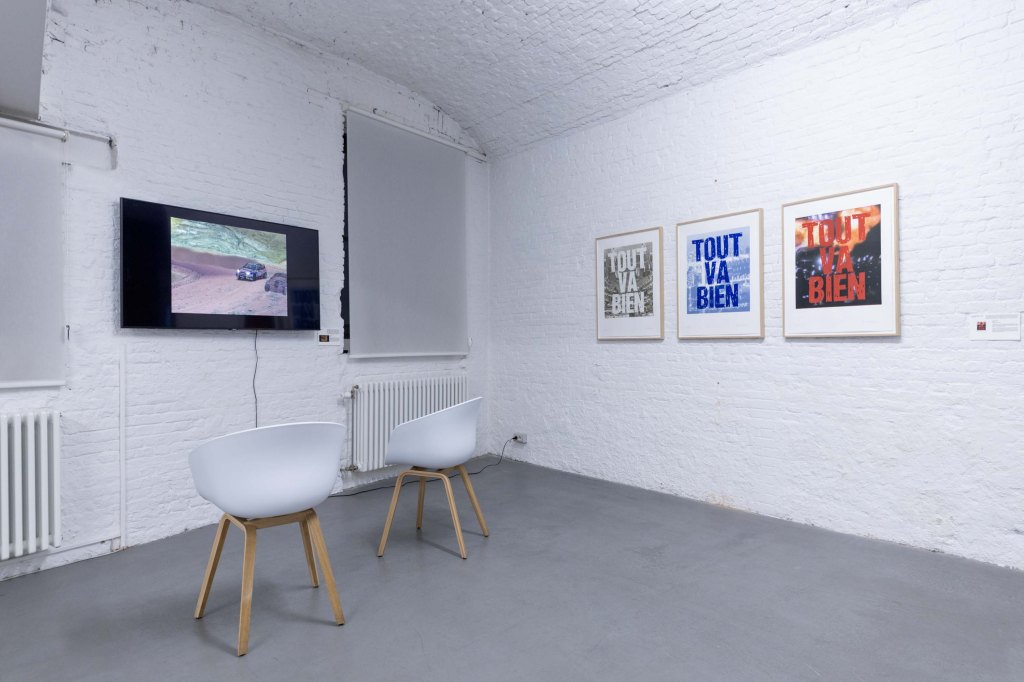
Later in the exhibition, this idea of game time is pulled in and out of the digital space in A Ghost Story (2022) by Keiu Maasik, a film that observes an unnamed protagonist recounting an unusual yet familiar tale. We hear from a son who encounters the ghost of his deceased father whilst playing a driving game from his childhood, ten years later. Within the game the player must race against a ghost version of the driver that has previously set the fastest time on a given track. In this case it is the deceased father who the son is pitted against. This frequently observed game mechanic enables players to effectively travel through time: digitally, physically, and in this case emotionally.
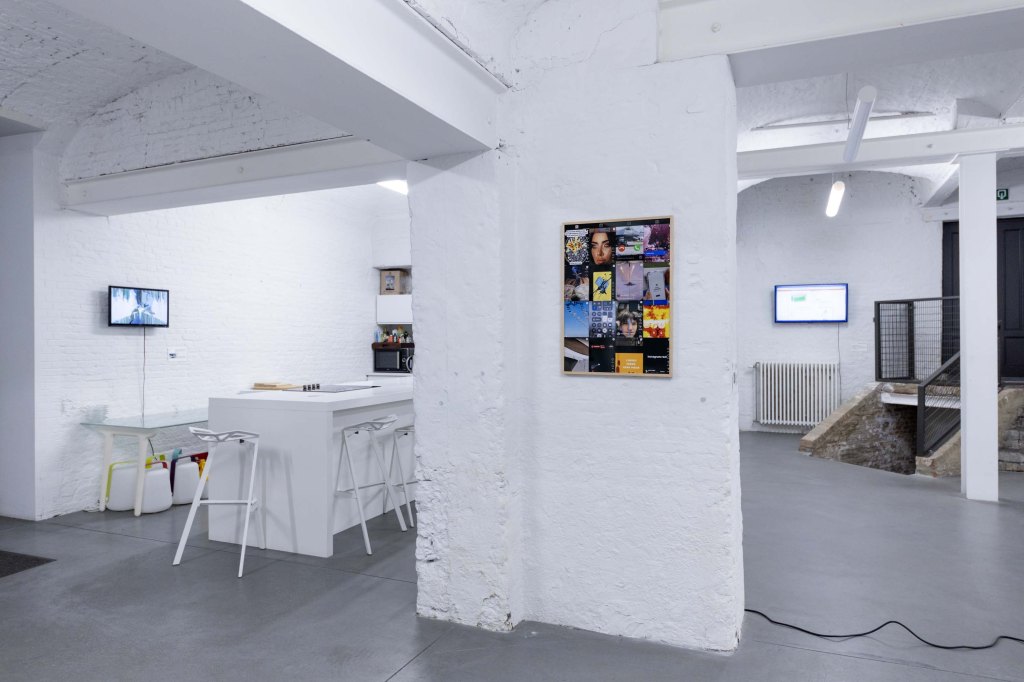
Other works in the exhibition aren’t so convinced by the possibilities presented by the digital, encapsulated through @ID.ACCO V24.1 (2026) by Dirk Paesmans. A seemingly never-ending screen-recording of an Instagram user scrolling back and forth between an unknown number of videos, contrasting an everlasting stream of incoherent pieces of content to be grazed upon. Increasingly, engaging with Paesmans’ website, which includes thousands of videos captured through engaging with the Instagram algorithm via an anonymous account, feels akin to peeking behind Oz’s curtain, or having the opportunity to wear Nada’s sunglasses. There’s a certain kind of inane beauty in the work, repulsive yet increasingly alluring, displaying drone warfare squeezed between ads for the newest MacBook and a content creators daily makeup ritual.
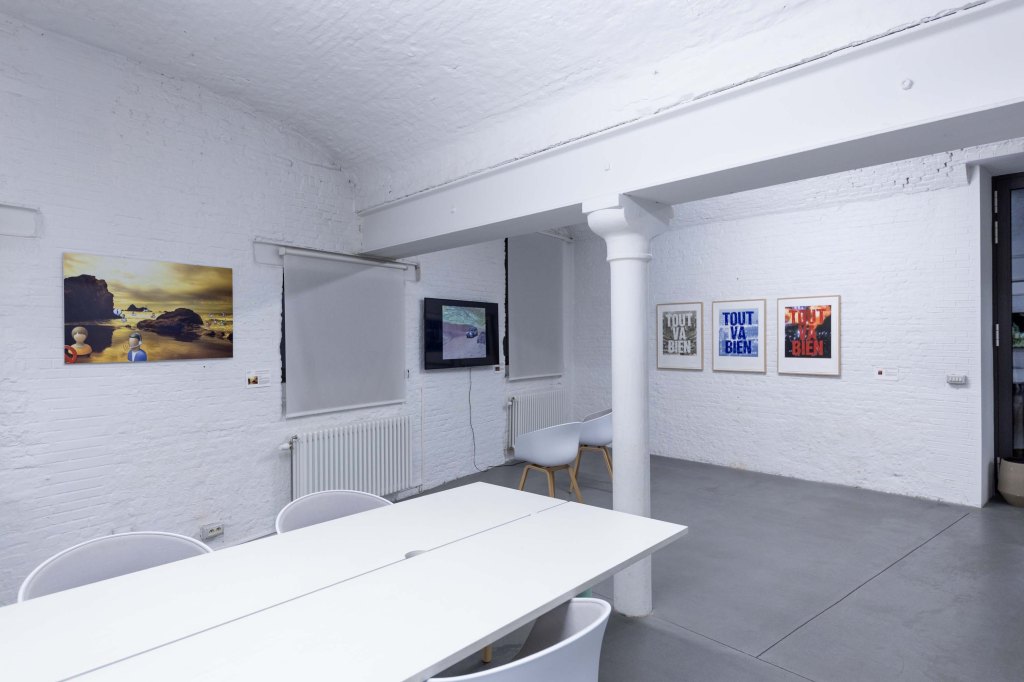
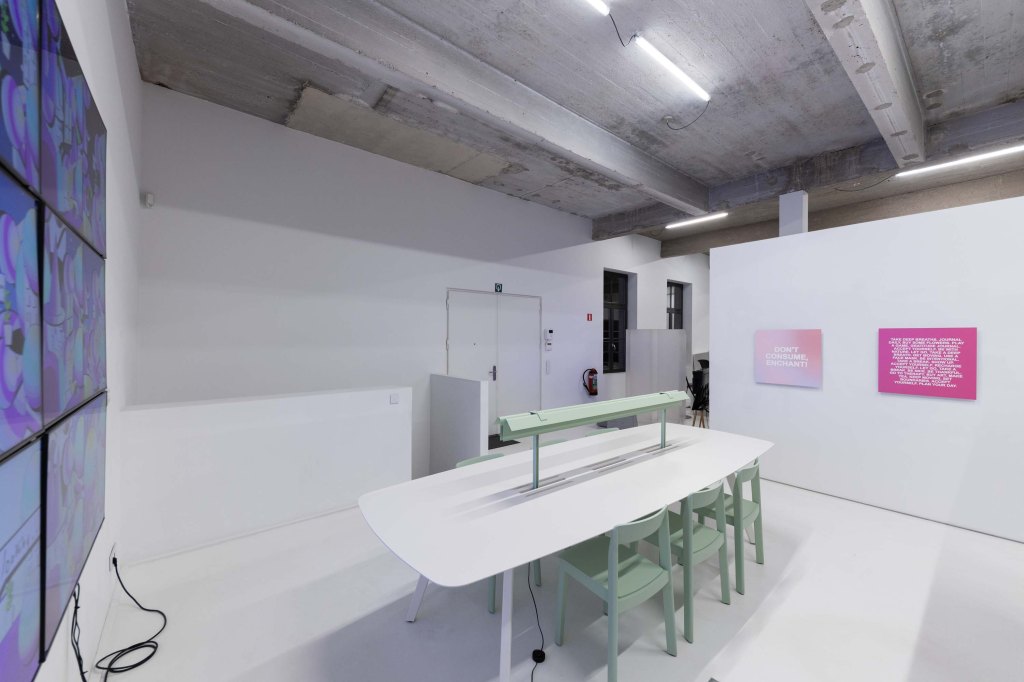
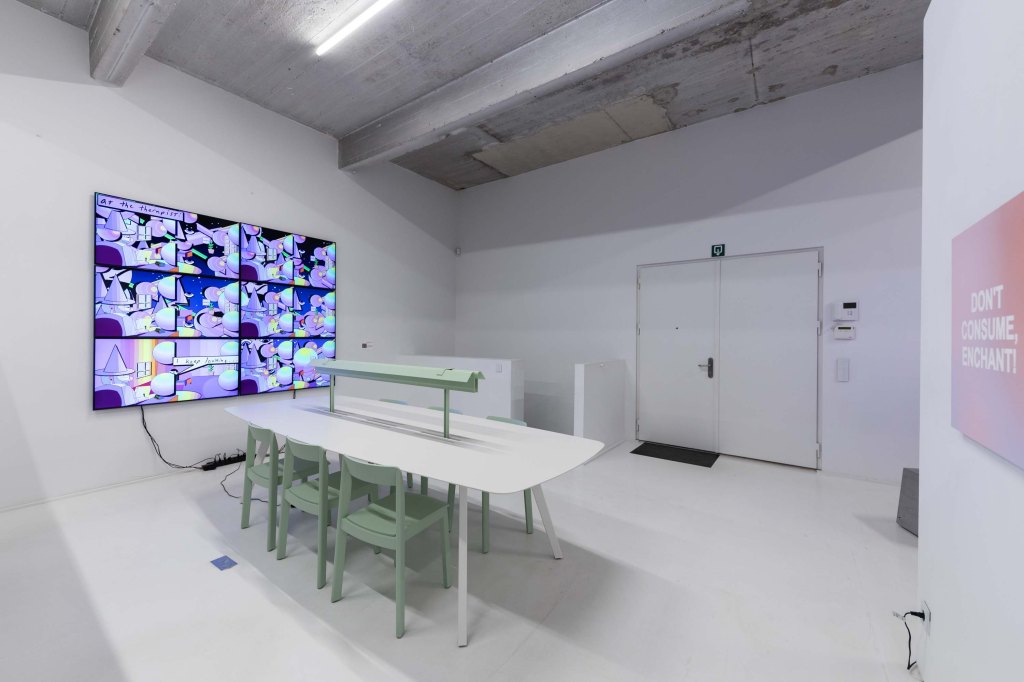
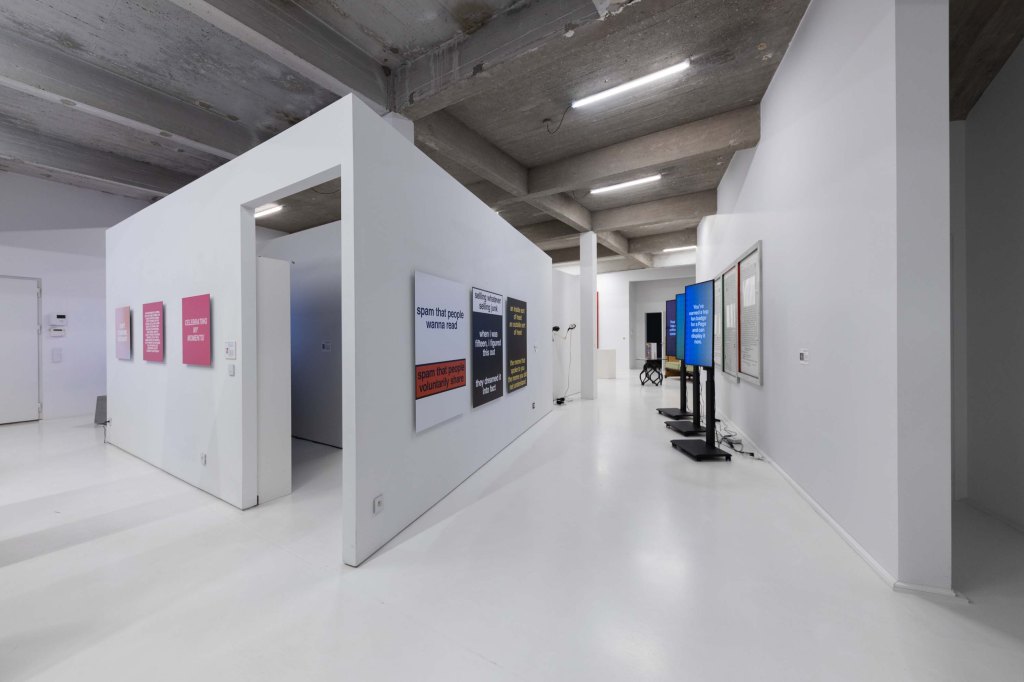
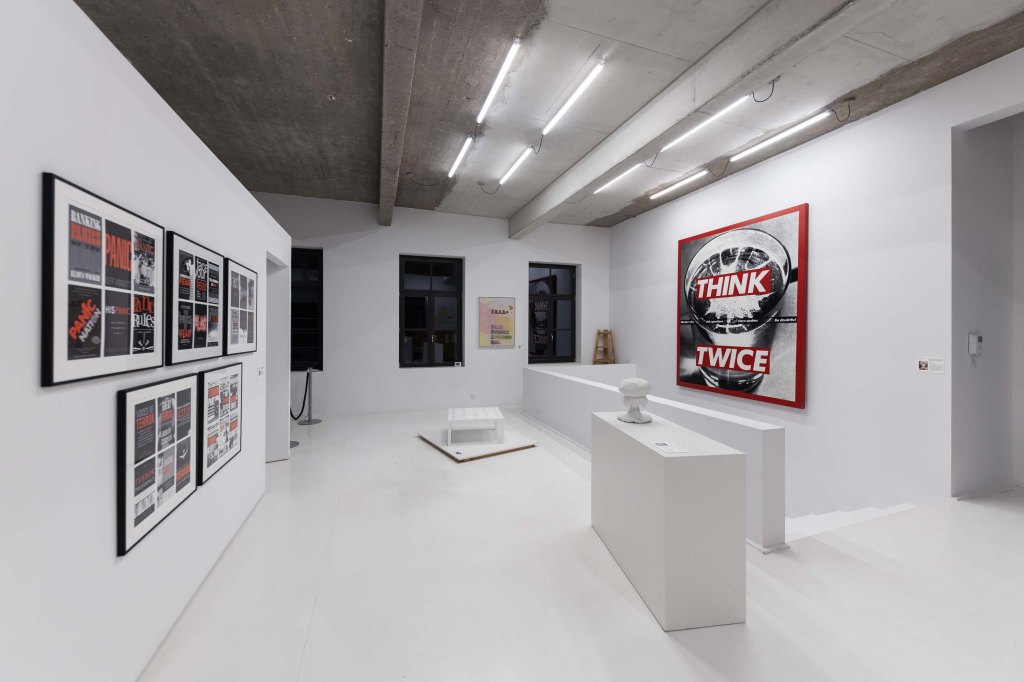
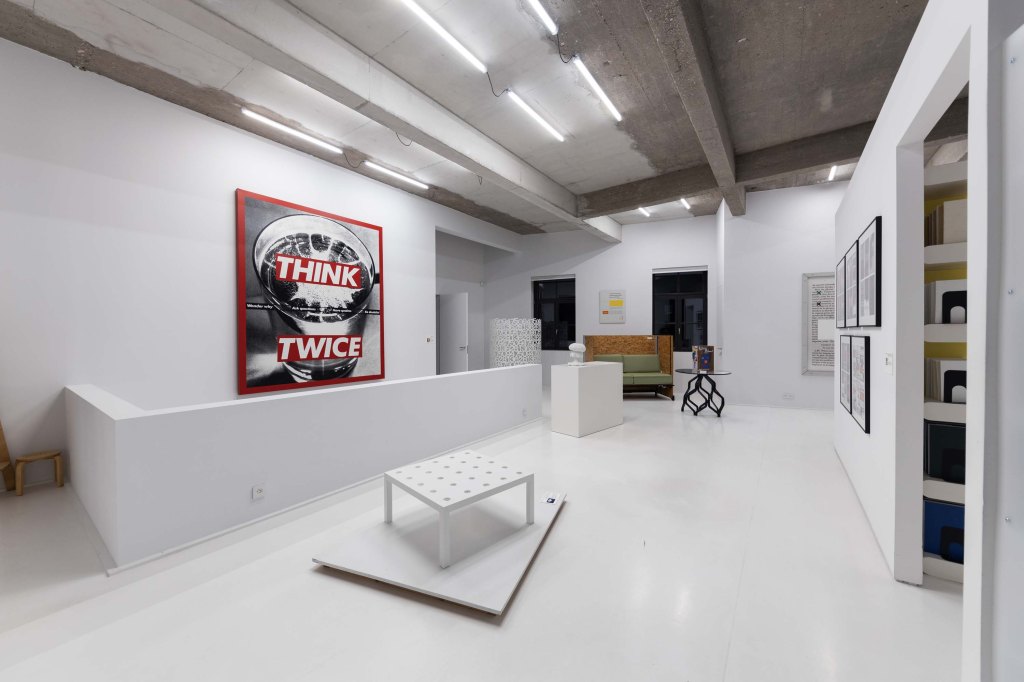
Within the context of Waiting For The Light, Paesmans’ ongoing series of videos, in their brutal minimalism, compliment, and are almost contemporary iterations of, Barbara Kruger’s Untitled (Think Twice) (1992). Dominating one room of the exhibition, the print, in its enormity, is effectively begging its audience to ask questions, craving any and all forms of friction on an increasingly unstable Earth.
Yet, some artworks in the exhibition, notably, bask in our aforementioned, exceedingly frictionless and obsessively Western, way of engaging with the world. Dunne & Raby’s Huggable Atomic Mushroom Cloud (2004 – 05) is a literal huggable plushie, created, the designers state, as a coping mechanism for supposedly irrational fears related to nuclear destruction. Within a contemporary context, looking at this work over 20 years later, in the face of an exceedingly dire state of affairs, it perhaps feels a little too laden with sardonic irony.
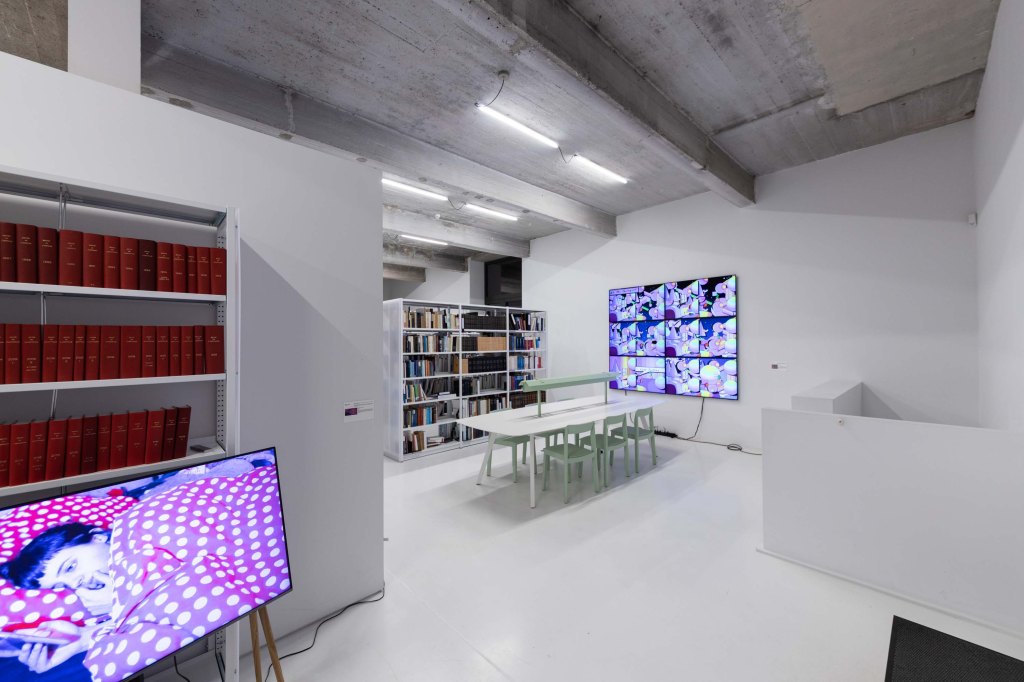
Another work, Molly Soda’s All I Have Is My Phone (2016), is a video featuring the artist looking through her phone whilst lying in bed. It’s quiet, contemplative, and quite voyeuristic, not unlike observing an interaction between two good friends. There is no irony here, only indulgence in the escapism that is offered by the increasingly illusive and evocative screen. Watching this work ten years after it was produced, ten years after I initially saw it in a gallery in London, it is still, painfully, oddly beguiling. Even at the time, it did not feel odd that someone would have this kind of relationship with their phone, even more so now. Adam Alter’s statement reflecting how “addictive tech is part of the mainstream in a way that addictive substances never will be”³ feels increasingly prescient. This overwhelming acceptance of smartphones and smart devices, utilised as a coping mechanism in these times, directly contrasts both Paesmans and Kruger. Perhaps this is a generational divide? This juxtaposition of opposing forces reflects my own inner conflict regarding the relationship I have with my own phone, as I’m sure it does for many others.
In many ways, Waiting For The Light takes a masochistic pleasure in acting as a magnifier for misery. And yet, after scrabbling about in the dirt, there are many works that maintain, and in some instances generate, a belief in a more positive future.
¹ Kawakami, H. (2025). Under the Eye of the Big Bird (A. Yoneda, Trans.). Granta Books. (Original work published 2015)
² Malm, A. (2021). How to Blow Up a Pipeline. Verso Books.
³ Alter, A. (2017). Irresistible: The Rise of Addictive Technology and the Business of Keeping Us Hooked. Penguin Press.
Bob Bicknell-Knight
 BOB BICKNELL-KNIGHT